

circle mirror with lights
In the world of manufacturing and engineering, precision is non-negotiable—especially when it comes to threads, which are critical components in machinery, construction, and everyday products. Ensuring threads meet exact specifications requires specialized tools, and thread plug gauge , internal thread gauge , and screw thread gauge stand out as indispensable for this task. These gauges verify thread dimensions, pitch, and fit, ensuring compatibility and functionality in assembled parts. In this guide, we’ll explore their roles, features, and best practices, drawing on industry insights to highlight their importance in maintaining quality and reliability in manufacturing. The Role of Thread Plug Gauge in Ensuring Internal Thread Accuracy Thread plug gauge is a fundamental tool in thread inspection, designed specifically to verify the accuracy of internal threads (threads inside a hole or nut). Crafted from high-hardness materials like tool steel or carbide, these gauges are engineered to withstand repeated use while maintaining precise dimensions—critical for consistent quality control. At its core, a thread plug gauge works by checking two key parameters: size and pitch. The gauge features a threaded shaft with two ends: a “go” end and a “no-go” end. The “go” end is designed to fit smoothly into a correctly sized internal thread, confirming that the thread is not too small. The “no-go” end, slightly larger, should not fit into the thread, ensuring the thread is not too large. This dual-end design provides a quick, reliable way to assess if threads meet tolerance standards, eliminating the need for complex measurements. Thread plug gauge is essential in industries like automotive, aerospace, and manufacturing, where even minor thread discrepancies can lead to part failure or assembly issues. Its ability to provide instant feedback streamlines quality control processes, reducing production delays and ensuring that only properly threaded parts move forward in the manufacturing pipeline. How Internal Thread Gauge Specializes in Internal Thread Verification While thread plug gauge is a type of internal thread tool, internal thread gauge is a broader category encompassing tools dedicated to inspecting internal threads across various applications. These gauges are tailored to the unique challenges of measuring threads inside holes, where external access is limited and precision is paramount. Internal thread gauge tools, including thread plug gauges, are designed to match specific thread standards (such as metric or imperial) and pitches, ensuring compatibility with the parts being inspected. Unlike external thread gauges, which check threads on bolts or screws, internal thread gauge tools must navigate the confined space of a hole, requiring a slender, durable design that does not distort the thread during inspection. One of the key advantages of internal thread gauge is its ability to detect irregularities like incomplete threads, burrs, or incorrect pitch spacing. By identifying these issues early, manufacturers can correct defects before parts are assembled, preventing costly rework or product failures. Whether used in manual inspections or integrated into automated quality control systems, internal thread gauge tools are vital for maintaining the integrity of internal threads in critical components. The Versatility of Screw Thread Gauge in Thread Quality Assurance Screw thread gauge is a versatile tool category that includes both internal and external thread inspection tools, making it a cornerstone of thread quality assurance across industries. These gauges verify that screw threads (whether on bolts, screws, nuts, or holes) meet design specifications, ensuring proper fit and functionality in assembled products. Screw thread gauge tools come in various forms, from simple plug gauges for internal threads to ring gauges for external threads, but all share the same goal: to confirm thread accuracy. What sets them apart is their adaptability to different thread types, including straight, tapered, coarse, or fine threads. This versatility makes screw thread gauge indispensable in settings where multiple thread standards are used, such as general manufacturing or repair shops. Beyond basic size checks, screw thread gauge can also assess thread form—ensuring that the thread’s profile (angle, depth, and shape) matches design requirements. This is critical because even a thread of the correct size can fail if its form is irregular, leading to weak connections or assembly difficulties. By providing comprehensive thread verification, screw thread gauge tools play a key role in upholding product reliability and safety. Key Features to Consider When Choosing Thread Plug Gauge, Internal Thread Gauge, and Screw Thread Gauge Selecting the right thread gauge depends on understanding their key features, which directly impact performance and accuracy. Below is a comparison of essential features for thread plug gauge , internal thread gauge , and screw thread gauge : Gauge Type Primary Material Key Design Features Primary Application Thread Plug Gauge Tool Steel or Carbide Dual “go/no-go” ends, precise thread pitch, corrosion resistance Inspecting internal threads in nuts, holes, or tapped parts. Internal Thread Gauge High-Hardness Alloys Slim profile, compatibility with specific thread standards Verifying internal thread size, pitch, and form. Screw Thread Gauge Wear-Resistant Steel Versatile thread profiles (metric/imperial), durable construction General thread inspection for screws, bolts, nuts, and holes. Other critical features include calibration certification (ensuring traceability to standards), surface finish (to prevent thread damage during inspection), and ergonomic design (for ease of use in manual inspections). Choosing a gauge with these features ensures reliable, long-lasting performance in demanding manufacturing environments. FAQS a bout Thread Plug Gauge, Internal Thread Gauge, and Screw Thread Gauge How does a thread plug gauge differ from other thread inspection tools? A thread plug gauge is specifically designed for internal threads, using “go/no-go” ends to quickly verify size and pitch. Unlike calipers or micrometers, which measure dimensions numerically, it provides a pass/fail assessment, making it faster for high-volume inspections. Its dedicated design for internal threads sets it apart from external thread tools like ring gauges. When should I use an internal thread gauge instead of a general measuring tool? Use an internal thread gauge when inspecting internal threads (e.g., in nuts or holes) where precision is critical. General tools like calipers struggle to accurately measure thread pitch or form in confined spaces, while internal thread gauge is engineered to match thread profiles, ensuring that threads fit properly with their mating parts (e.g., bolts or screws). What makes a screw thread gauge essential for automotive manufacturing? Screw thread gauge is essential in automotive manufacturing because it ensures that threads in critical components (e.g., engine parts, fasteners) meet strict standards. Properly threaded parts prevent leaks, reduce vibration, and ensure structural integrity—all vital for vehicle safety and performance. Its ability to verify both internal and external threads streamlines quality control in high-volume production. How often should a thread plug gauge be calibrated to maintain accuracy? A thread plug gauge should be calibrated regularly, typically every 6–12 months, depending on usage frequency and operating conditions. Calibration ensures that the gauge’s “go” and “no-go” ends remain within tolerance, preventing false pass/fail results. Heavy use or exposure to harsh environments may require more frequent calibration to maintain reliability. Can a screw thread gauge inspect both metric and imperial threads? Yes, many screw thread gauge sets include options for both metric and imperial threads, with different models calibrated to specific standards.It’s important to select the correct gauge for the thread type being inspected, as mixing standards can lead to inaccurate results and poor part fit. Whether you’re in automotive, aerospace, or general manufacturing, our team of experts can help you select the right gauge for your specific thread standards and inspection needs. Visit our website to explore our full range, from standard gauges to custom solutions, and learn how our tools can enhance your quality control processes.
about
circle mirror with lights
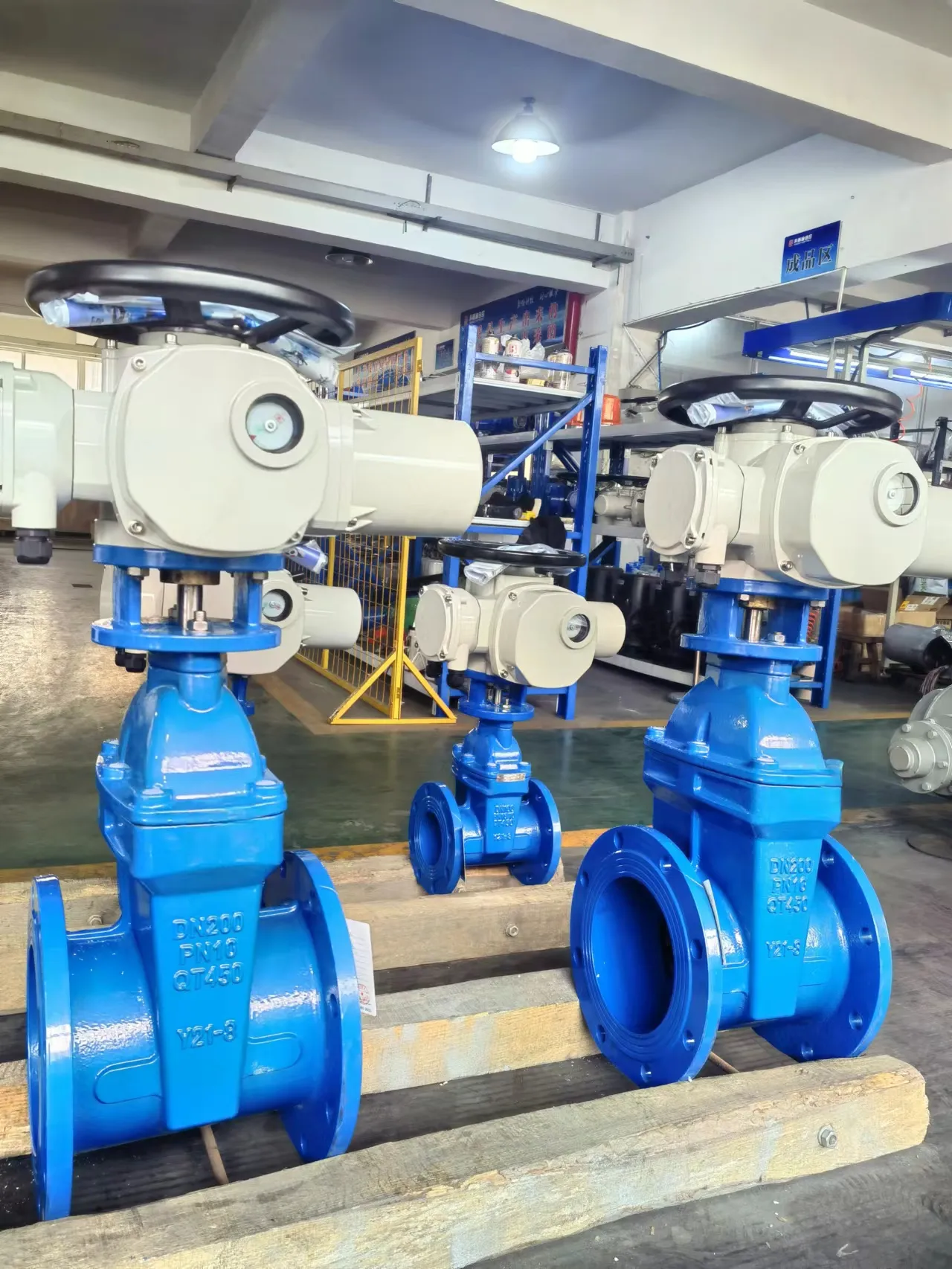
Mga Gate Valve para sa Tubig Isang Pagsusuri Ang gate valve ay isang mahalagang bahagi ng mga sistema ng pagtutubero at industriya ng tubig. Ang mga balbula na ito ay pangunahing ginagamit para sa kontrol ng daloy ng likido, partikular na tubig. Sa artikulong ito, tatalakayin natin ang mga uri ng gate valve, ang kanilang mga benepisyo, at ang kahalagahan ng wastong pagpili at pagpapanatili ng mga ito sa mga pasilidad ng tubig, lalo na sa konteksto ng Pilipinas. Ano ang Gate Valve? Ang gate valve ay isang uri ng balbula na ginagamit upang buksan o isara ang daloy ng tubig sa isang pipeline. Ang disenyo nito ay nagpapahintulot sa mabilis na pag-aangat at pagbaba ng gate o pinto, na nagreresulta sa mas malinis na daloy ng likido. Sa kabila ng pagiging epektibo nito sa kontrol ng daloy, hindi ito angkop para sa regulasyon o pag-sasaayos ng daloy ng likido. Mga Uri ng Gate Valve Mayroong iba't ibang uri ng gate valve na maaaring gamitin ayon sa pangangailangan ng sistema 1. Wedge Gate Valve Ito ang pinaka-karaniwang uri, na may pabilog na pinto na umeeksak sa daloy ng tubig. Ang disenyo nito ay nagbibigay ng sapat na suporta at maaaring umangkop sa iba't ibang presyon. 2. Parallel Gate Valve Sa panibagong disenyo, ang parehong bahagi ng gate ay parallel sa isa't isa, na pinapayagan ang mas mahusay na pagkakabukas at pagsasara. Ang uri na ito ay karaniwang ginagamit sa mas malalaking sistema. 3. Expanding Gate Valve Sa mga sumusunod na paggamot, ang balbula na ito ay naglalaman ng isang gate na lumalawak sa pag-ikot, na nagbibigay-daan sa mas mahusay na pag-seal. Ito ay karaniwang ginagamit sa mga sistema ng mataas na presyon. Benepisyo ng Gate Valve gate valves for water Ang paggamit ng gate valve para sa tubig ay nagdadala ng maraming benepisyo 1. Minimal na Pagkawala ng Presyon Ang disenyo ng gate valve ay nagbibigay-daan para sa mas kaunting pagkasira ng daloy, na nagreresulta sa mas mataas na efficiency ng sistema. 2. Mahusay na Seal Kapag ganap na nakasara, ang gate valve ay nagbibigay ng mahusay na selyo, na nag-aalis ng anumang pagtagas. 3. Madaling Pagsasara at Pagbukas Sa ilang simpleng pag-ikot ng hawakan, ang gate valve ay madali at mabilis na maaaring buksan o isara. 4. Matibay at Mahaba ang Buhay Ang mga materyales na ginamit sa pagmamanupaktura ng mga gate valve ay karaniwang matibay, na nagbibigay sa mga ito ng mahabang buhay sa operasyon. Wastong Pagpili at Pagpapanatili Mahalaga ang wastong pagpili ng gate valve batay sa mga pangangailangan ng proyekto. Dapat isaalang-alang ang mga salik tulad ng presyon ng tubig, temperatura, at mga katangian ng likido. Sa Pilipinas, ang mga gate valve ay kadalasang ginagamit sa mga municipal water supply system, kaya't kinakailangan ang mga ito na maging angkop sa lokal na kondisyon ng klima at iba pang pangkalikasan na aspeto. Ang regular na pagpapanatili ay kailangan upang mapanatili ang integridad ng gate valve. Dapat itong i-inspeksyon nang regular upang matiyak na walang mga tagas at maayos ang operasyon. Ang pag-aayos ng mga sira sa tamang oras ay makatutulong upang maiwasan ang mas malalang problema sa hinaharap. Konklusyon Ang gate valve para sa tubig ay hindi lamang isang simpleng bahagi ng sistema ng paghahatid ng tubig; ito ay isang mahalagang elemento na nag-aambag sa kalusugan at seguridad ng komunidad. Ang wastong pagpili, pag-install, at pagpapanatili ng mga gate valve ay may malaking epekto sa panahon ng operasyon ng mga sistema ng tubig. Sa Filipinas, kung saan ang pamamahagi ng tubig ay isang kritikal na isyu, ang pag-unawa sa mga gate valve at ang kanilang mga benepisyo ay lubos na mahalaga. Sa madaling salita, ang tamang impormasyon at aksyon ay maaaring magpabuti sa ating mga sistema ng tubig at sa kanilang pangmatagalang bisa.
-

High quality industrial productsagement

High quality industrial products
View Details -

Meet the diverse needs of customers

Meet the diverse needs of customers
View Details -

Strict quality control

Strict quality control
View Details -

Top raw materials

Top raw materials
View Details -

Trusted supplier

Trusted supplier
View Details
Our application

news and information

Zinc Coated Half Saddle Pipe Clamp for Secure and Reliable Pipe Mounting Solutions
Understanding Zinc-Plated Half Saddle Pipe Clamps A Comprehensive Overview In various industrial and

welding inspection ruler
The Importance of Welding Inspection Rulers in Quality Control In the world of manufacturing and con

Y Type Strainer Applications and Benefits for Efficient Fluid Management
The Importance of Y-Type Strainers in Industrial Applications Y-type strainers play a crucial role i
 English